
Blog
-
Blood-Brain Barrier: CSF Proteins
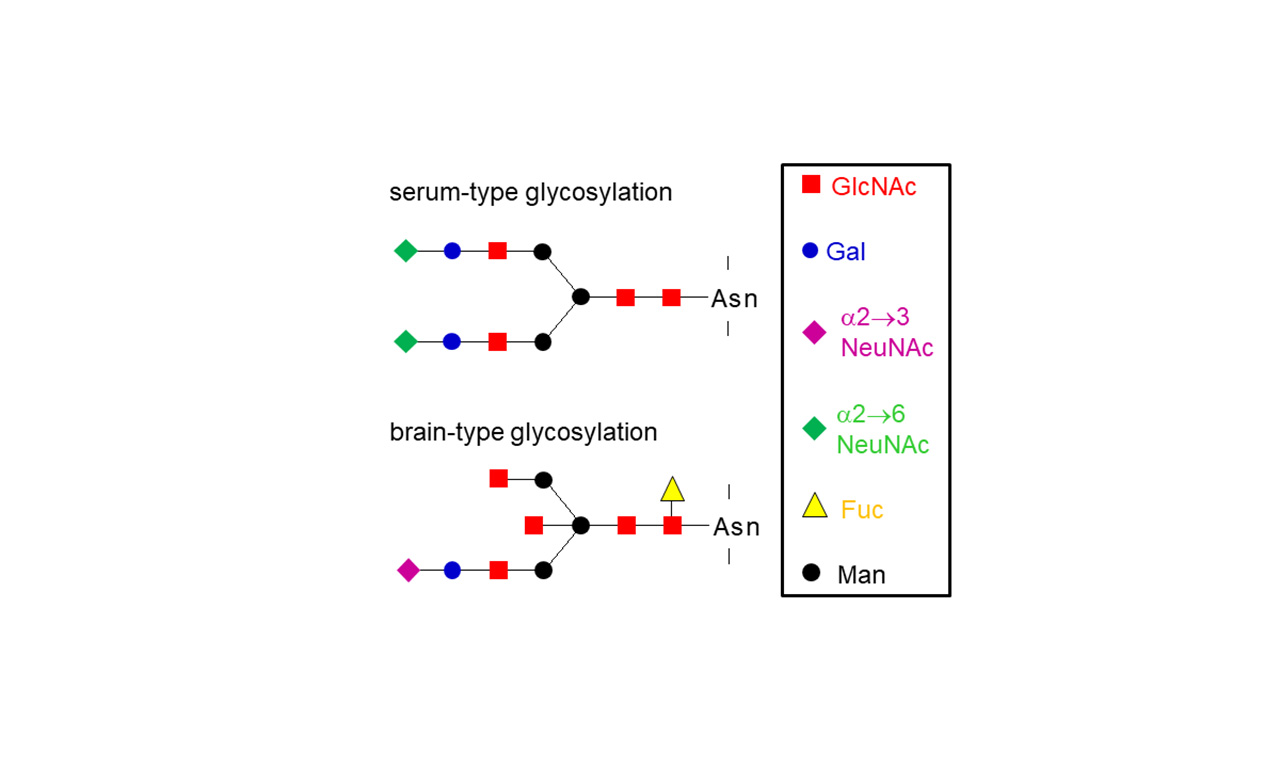
Maintenance of Brain Homeostasis by Sugar Structures CSF – cerebrospinal fluid, in German also called ‘liquor cerebrospinalis’ or ‘Nervenwasser’ – with a particular protein called ‘beta-trace protein’, was the topic of my doctoral thesis ‘Isolation and chemical characterization of -trace protein from human cerebrospinal fluid: identification as prostaglandin D synthase’ (1992) in the CSF laboratory of the Neurological Clinic, MHH. CSF and the…
-
Body´s Own Stem Cells
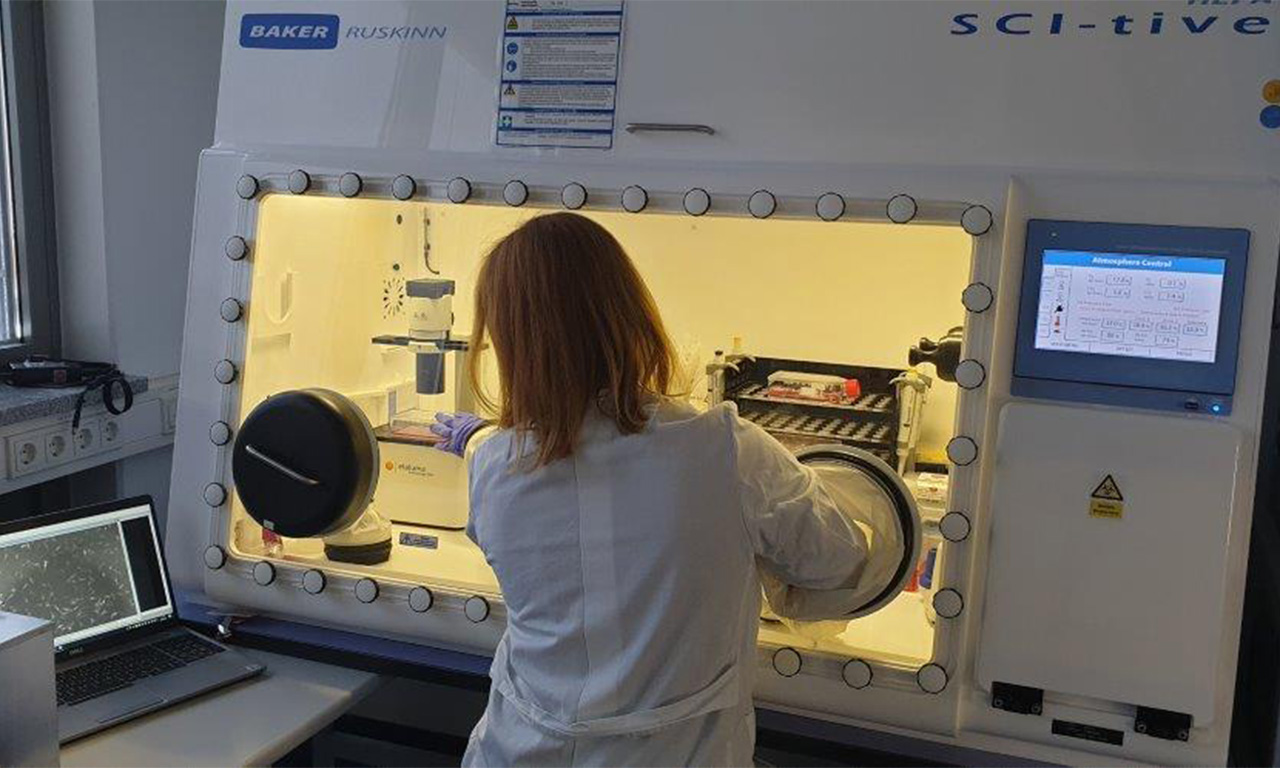
Isolation and Culture In the living organism, stem cells reside in niches to keep them in an optimal state. Here, the oxygen concentration is much lower than in ambient air with 21 % O2. Consequently, when the cells are taken from their natural environment and cultured in the lab, they experience a notable change in…
-
Conjoined Twins for Biohybrid Implants
Photo: Dr. Sebastian Heene In November 2025, NIFE was open to the public (https://nife-hannover.de/erfolgreicher-tag-der-offenen-tuer/) demonstrating its manifold activities in research and translation. I (Prof. Dr. Andrea Hoffmann) contributed a talk on “Stem Cells and Immune Cells: Conjoined Twins for Novel Biohybrid Implants”. The term ´conjoined twins´ alludes to the inseparable functions of both cell types…
-
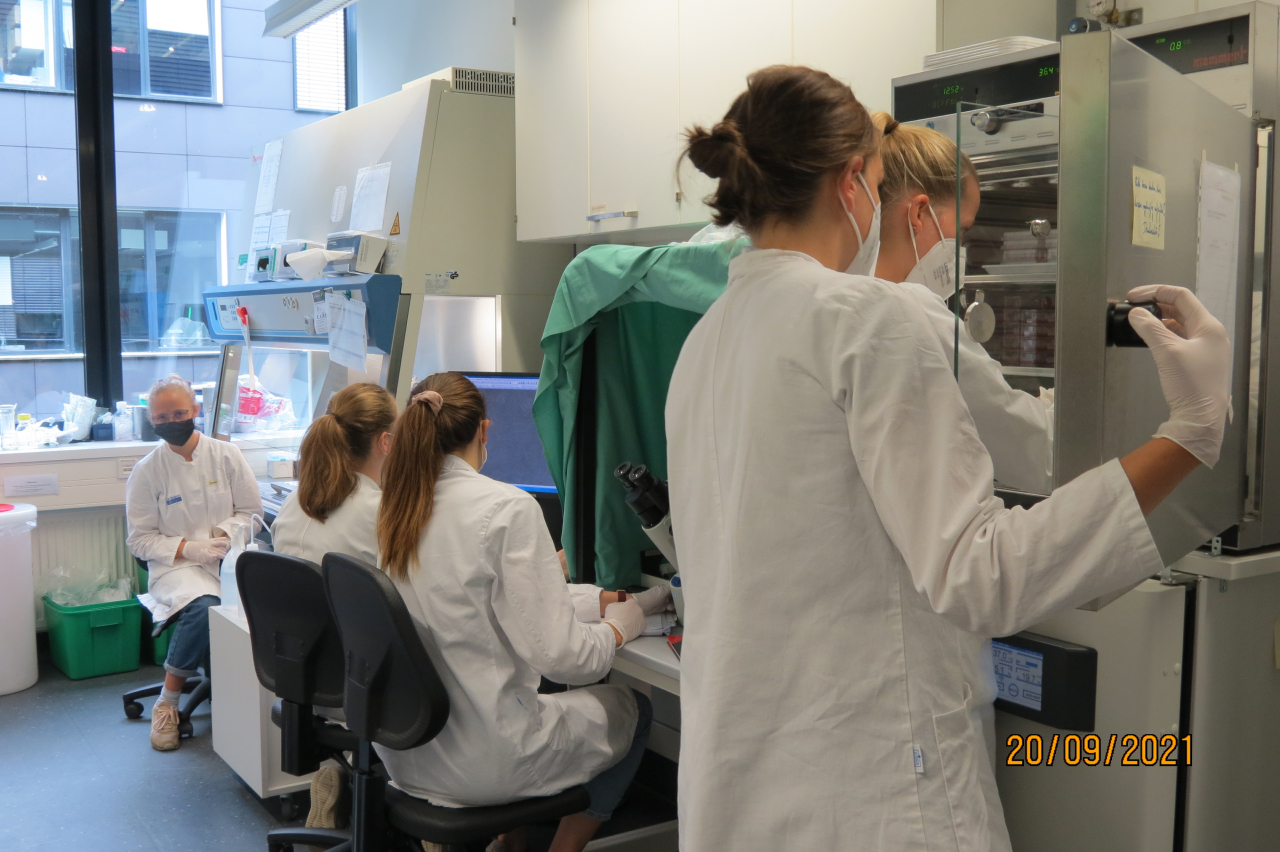
Two-weeks lab course “Introduction into cell culture technology of animal cells”, annually in September
For students in life science (B.Sc.), Leibniz University. Statement of a student from the 2023 course: The practical course for the lecture “Adult stem cells in regenerative medicine” was a lot of fun. Prof. Hoffmann skilfully combines theory and practice with the help of Yvonne, Kirsten and Anika. Both the experiments and the associated theory…
-
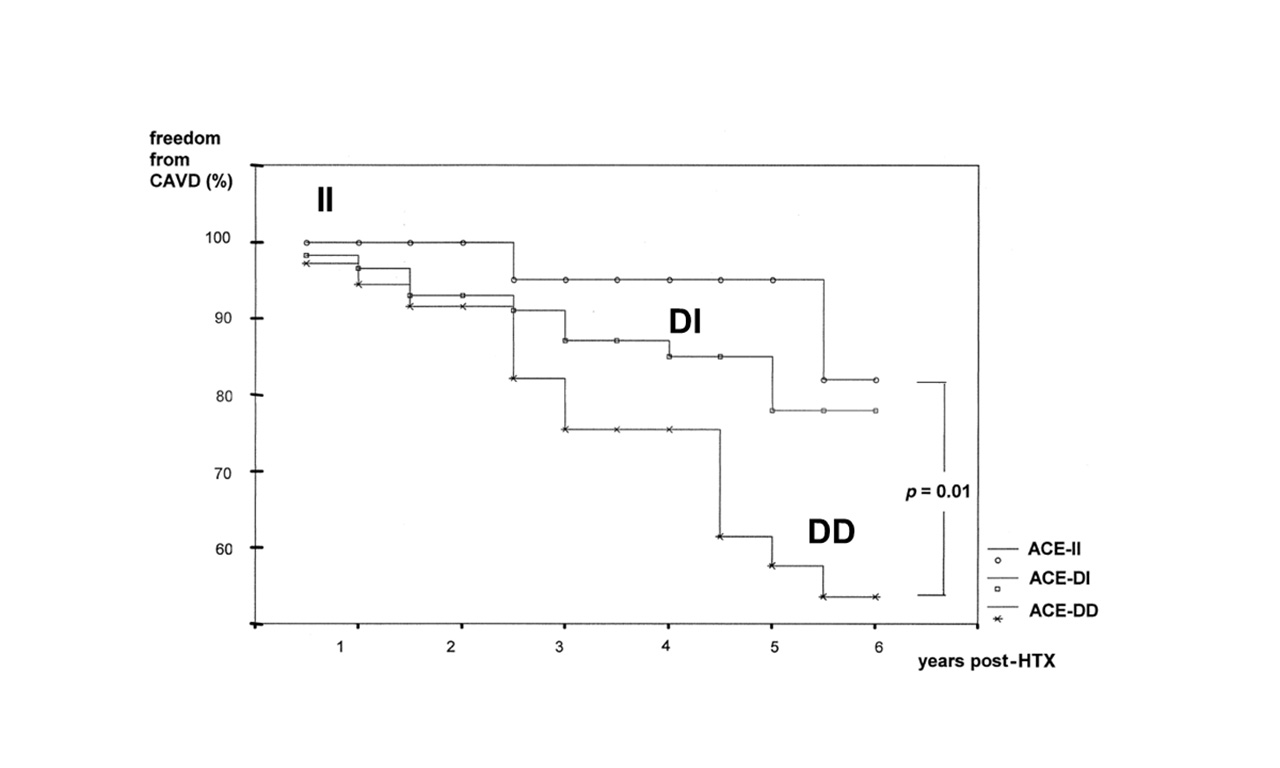
Cardiac Allograft Vasculopathy
Gene Polymorphisms as Risk Factors In transplanted hearts (also called ̒cardiac allograftsʼ) blood vessels may clog after transplantation. This is called vasculopathy and leads to rejection of the graft. Consequently, for long-time survival of transplanted hearts a strict control of the organ function is mandatory.Patients may have genetic predispositions for upcoming rejection. My work interrogated…
-
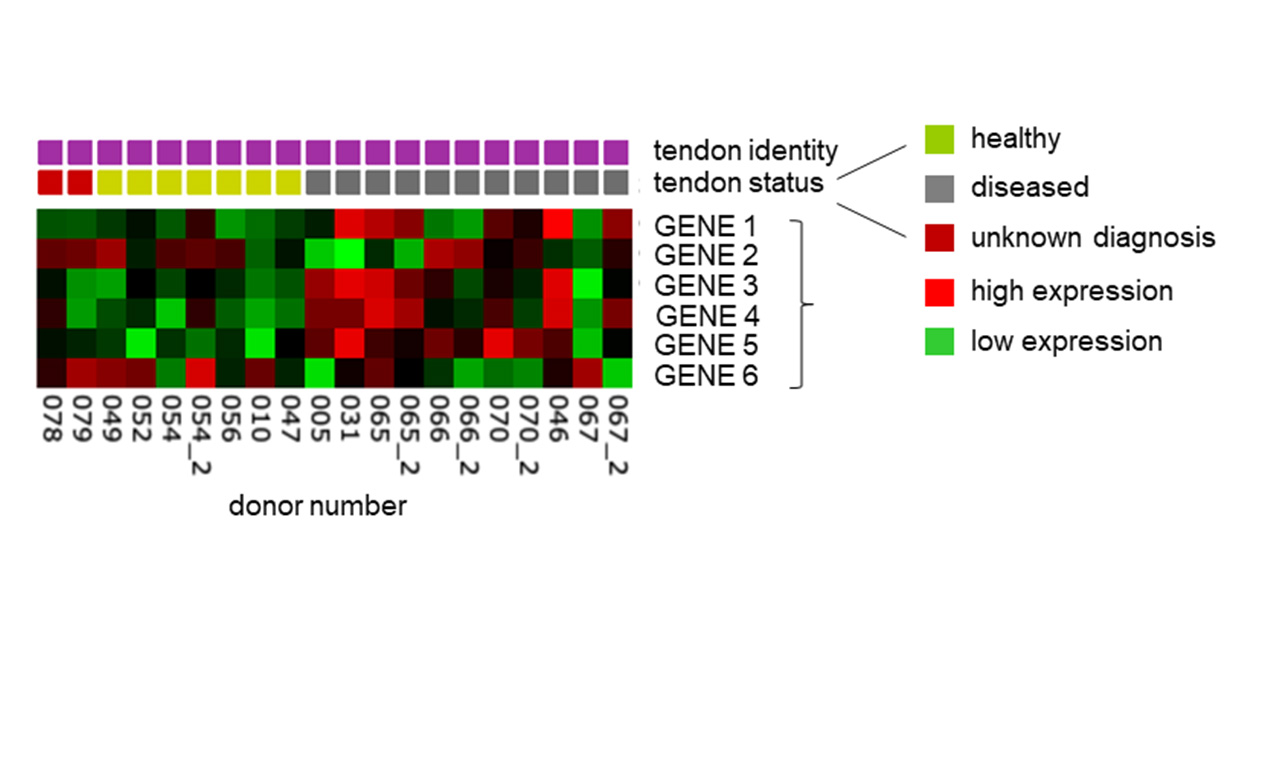
Hypoxia vs. Normoxia
TERMIS Poster 2026 Culture conditions dramatically influence the behaviour of cells. We currently study the influence of oxygen concentration on stem cells. Our data reveal notable changes, amongst other parameters, in gene expressions of mitochondrial genes and genes involved in metabolism. For more information see the figure.